
Exploring the Causes of Joint Pain: Understanding Joint Discomfort

Joint pain is a common complaint that affects millions of people worldwide. It can range from a mild annoyance to a debilitating condition that disrupts daily life. As someone deeply invested in holistic health solutions, I understand how crucial it is to identify the root causes of joint discomfort. This knowledge empowers us to take targeted actions that promote long-term vitality and overall wellness.
Joint pain is not just a symptom; it is a signal from your body that something needs attention. Whether you experience stiffness, swelling, or sharp pain, understanding the underlying factors can help you manage and even prevent further damage. In this post, I will walk you through the most common causes of joint pain, explain how they affect your body, and offer practical advice to support your journey toward better health.
Understanding Joint Discomfort: What Happens Inside Your Joints?
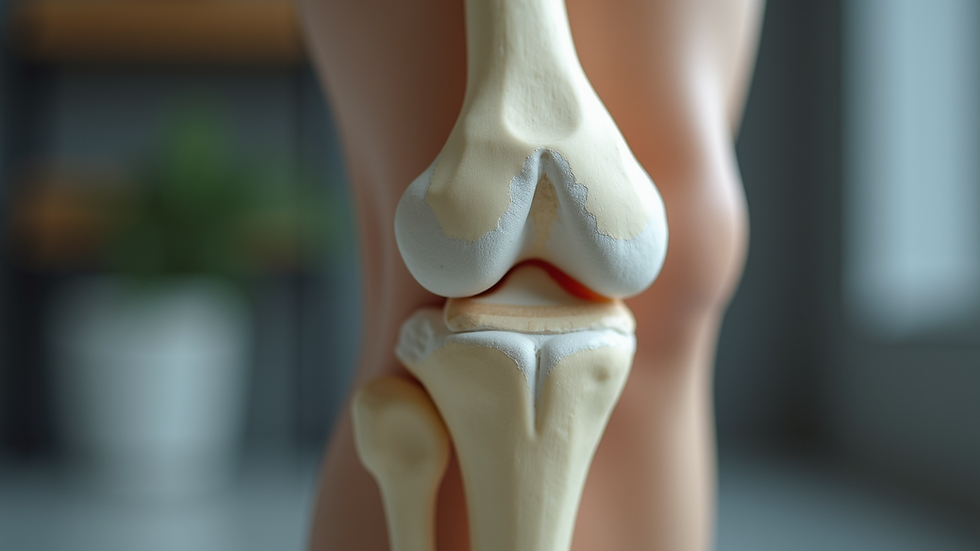
Joints are the connections between bones that allow movement and flexibility. They are complex structures made up of cartilage, synovial fluid, ligaments, tendons, and muscles. When any of these components are compromised, joint discomfort can arise.
Cartilage acts as a cushion, preventing bones from rubbing against each other. Synovial fluid lubricates the joint, reducing friction. Ligaments and tendons provide stability and support. When inflammation, injury, or degeneration occurs in any of these parts, pain and limited mobility often follow.
For example, osteoarthritis, a common degenerative joint disease, results from the gradual breakdown of cartilage. This leads to bones grinding together, causing pain and stiffness. On the other hand, rheumatoid arthritis is an autoimmune condition where the immune system attacks the joint lining, leading to inflammation and damage.
Understanding these internal processes helps us appreciate why joint pain is more than just a surface issue. It is a complex interplay of biological factors that requires a comprehensive approach to treatment.
Common Causes of Joint Pain and How They Affect You
Joint pain can stem from various causes, each with distinct characteristics and implications. Here are some of the most prevalent causes:
1. Arthritis
Arthritis is the leading cause of joint pain. It includes several types, such as:
Osteoarthritis: Wear and tear of cartilage due to aging or repetitive stress.
Rheumatoid arthritis: Autoimmune inflammation affecting joint linings.
Psoriatic arthritis: Associated with the skin condition psoriasis.
Gout: Caused by uric acid crystal buildup in joints.
Each type has unique symptoms and treatment strategies. For instance, gout often causes sudden, intense pain in the big toe, while rheumatoid arthritis typically affects smaller joints symmetrically.
2. Injury and Overuse
Trauma from accidents, falls, or sports can damage joints, ligaments, or tendons. Overuse injuries, common in athletes or repetitive work, lead to inflammation and microtears. Conditions like tendinitis and bursitis fall into this category.
3. Infections
Septic arthritis occurs when bacteria or viruses infect a joint, causing severe pain, swelling, and fever. Prompt medical treatment is essential to prevent joint destruction.
4. Metabolic and Endocrine Disorders
Certain metabolic conditions, such as diabetes and thyroid disorders, can contribute to joint pain by affecting nerve function and tissue health.
5. Other Causes
Fibromyalgia: Widespread musculoskeletal pain with joint tenderness.
Lupus: An autoimmune disease causing joint inflammation.
Bone diseases: Osteoporosis and bone cancer can indirectly cause joint pain.
Recognizing the specific cause of your joint pain is the first step toward effective management.
How Lifestyle and Environment Influence Joint Health
Our daily habits and surroundings play a significant role in joint health. Factors such as diet, physical activity, and exposure to toxins can either protect or harm your joints.
Nutrition and Joint Health
A diet rich in anti-inflammatory foods supports joint function. Omega-3 fatty acids found in fish, antioxidants in fruits and vegetables, and adequate hydration help reduce inflammation and promote cartilage repair.
Conversely, excessive consumption of processed foods, sugar, and alcohol can exacerbate inflammation and joint pain.
Physical Activity
Regular, low-impact exercise strengthens muscles around joints, improves flexibility, and maintains a healthy weight. Activities like swimming, cycling, and yoga are excellent choices.
However, overexertion or improper technique can lead to joint injuries. Balancing activity with rest is crucial.
Environmental Factors
Exposure to pollutants and chemicals may contribute to systemic inflammation, affecting joint health. Minimizing contact with harmful substances and supporting detoxification pathways can be beneficial.

Practical Steps to Manage and Prevent Joint Pain
Taking control of joint health involves a combination of strategies tailored to your unique needs. Here are actionable recommendations:
Consult a healthcare professional for accurate diagnosis and personalized treatment.
Incorporate anti-inflammatory foods such as leafy greens, nuts, and fatty fish into your diet.
Engage in regular, low-impact exercise to maintain joint mobility and muscle strength.
Maintain a healthy weight to reduce stress on weight-bearing joints.
Practice good posture and ergonomics to avoid unnecessary joint strain.
Use supportive devices like braces or orthotics if recommended.
Manage stress through mindfulness, meditation, or therapy, as stress can worsen inflammation.
Avoid smoking and limit alcohol consumption, both of which negatively impact joint health.
Stay hydrated to support synovial fluid production.
10. Consider supplements such as glucosamine and chondroitin after consulting your healthcare provider.
By integrating these habits, you create a foundation for lasting joint comfort and overall wellness.
Embracing a Systems-Based Approach to Joint Wellness
Joint pain is rarely an isolated issue. It often reflects broader imbalances within the body. A systems-based approach looks beyond symptoms to address underlying causes, including cellular nutrition, environmental exposures, and biological education.
This holistic perspective aligns with the goal of reclaiming brain and body health. For example, optimizing cellular nutrition ensures that joint tissues receive the necessary building blocks for repair and maintenance. Reducing environmental toxins lowers systemic inflammation that can aggravate joint conditions.
Education empowers you to make informed choices about your health, fostering resilience and vitality. By viewing joint pain through this comprehensive lens, you can move beyond temporary relief toward sustainable well-being.
Exploring the causes of joint pain reveals a complex but navigable landscape. With the right knowledge and tools, you can take meaningful steps to alleviate discomfort and enhance your quality of life. Remember, your joints are vital connectors in your body's intricate system - treat them with care, respect, and informed action.
For more detailed insights on joint pain causes, explore trusted resources and consider personalized wellness programs that address your unique health profile.


Comments